Offices, classrooms, cafés, kiosks, workshops and more — built to your specification and delivered nationwide. Hover a build to see it come to life.
CS Containers converts shipping containers into offices, classrooms, cafés, bars, kiosks, workshops, gyms, welfare units and bespoke builds. Every conversion is built to your specification, quoted in writing before any work starts, and delivered anywhere in the UK by HIAB crane lorry. Phil handles it directly, from the first call to delivery on site — one person, no call centres.
Phil gives you the full delivered price before anything moves. No surcharges, no surprises on the day.
Phil knows what a good container looks like and where to get one cheaper than the big traders.
No call handlers, no ticket systems — the man with 30 years' experience answers.
Driver calls 30 minutes to 1 hour before arrival, sites it just where you want, leaves only when you're happy.
Every type of container conversion Phil builds — in 10ft, 20ft and 40ft. Tap any one for the spec, what's included and indicative pricing, or call 020 8226 0007 and describe what you need.
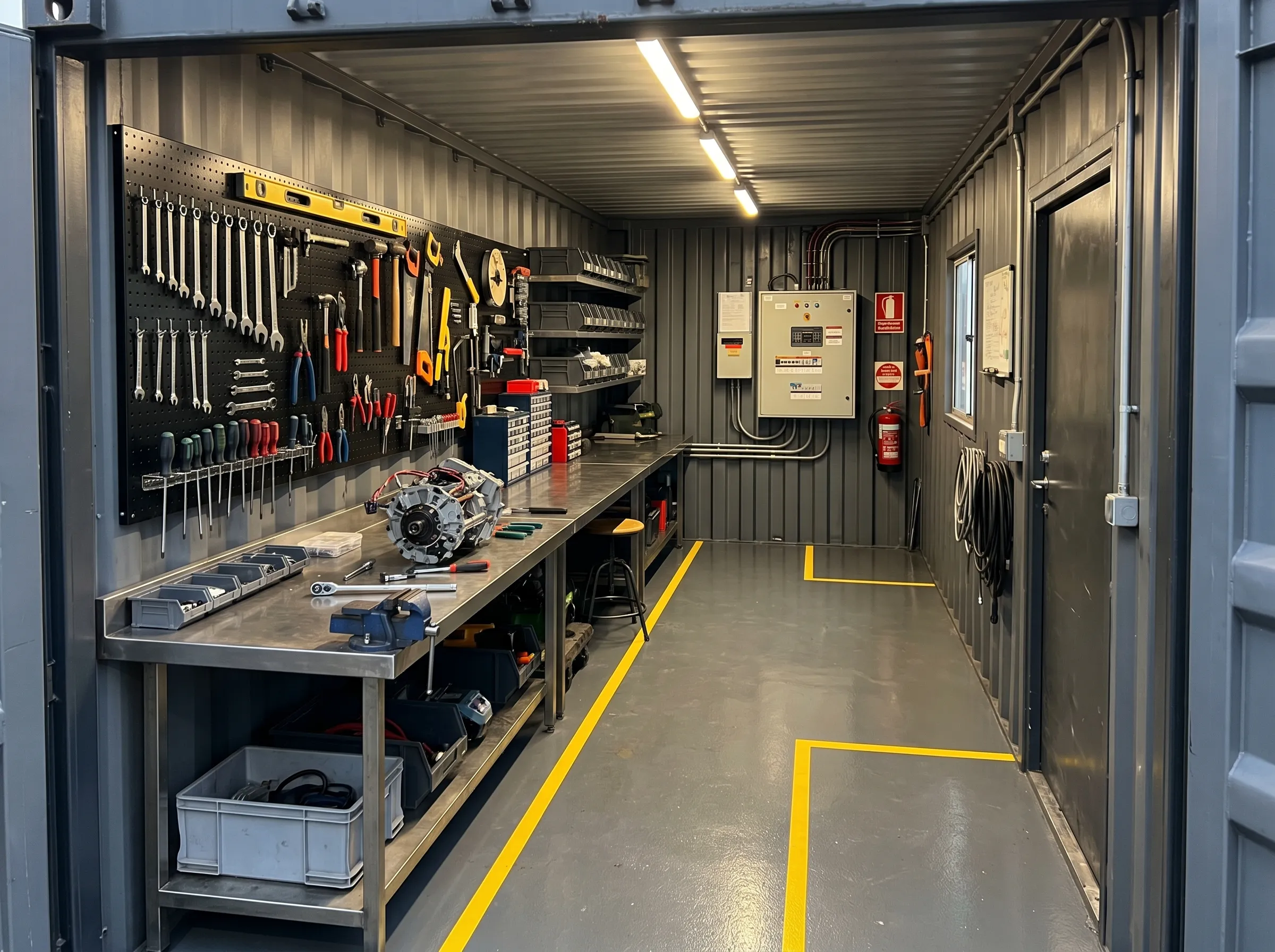
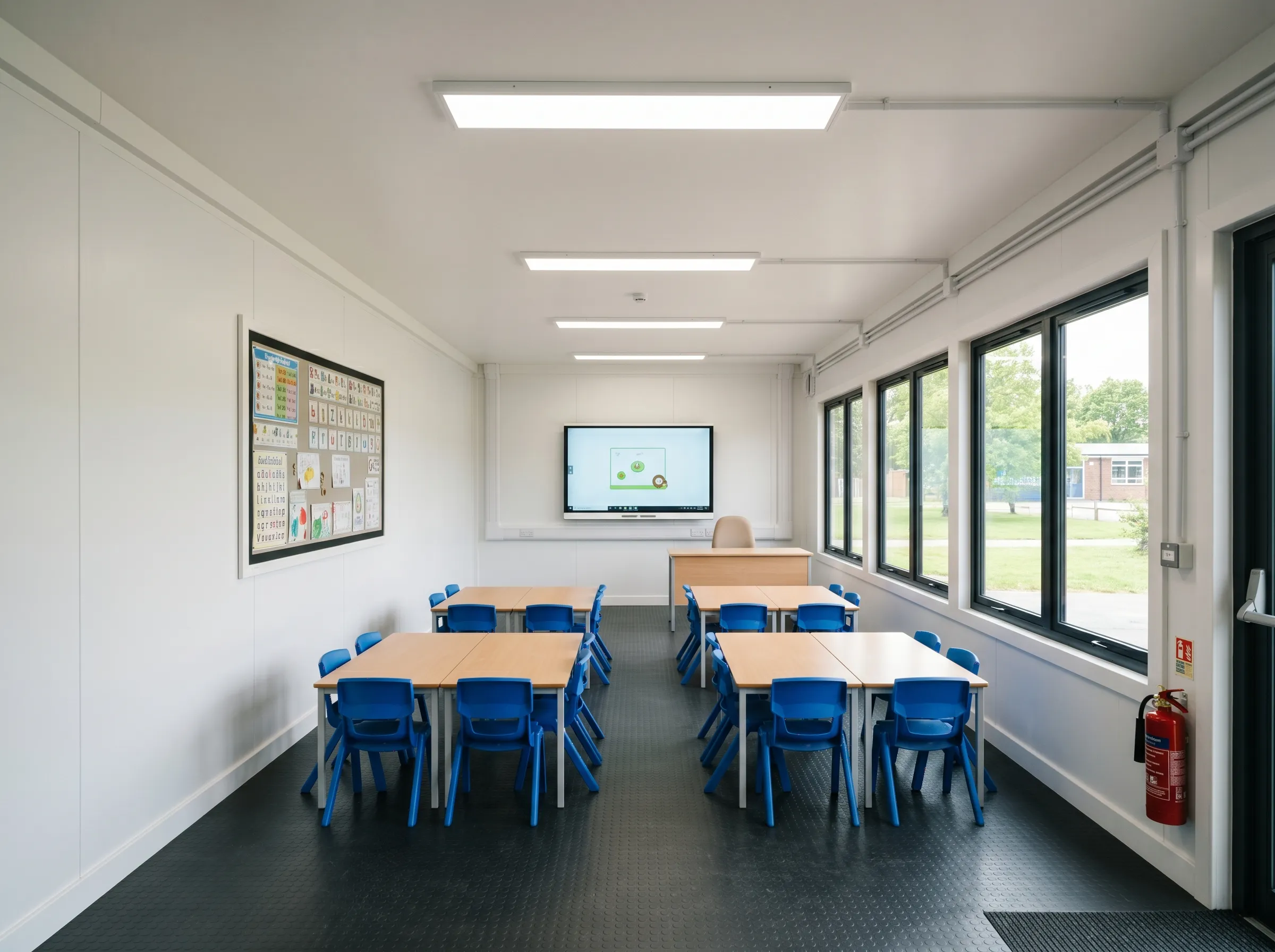
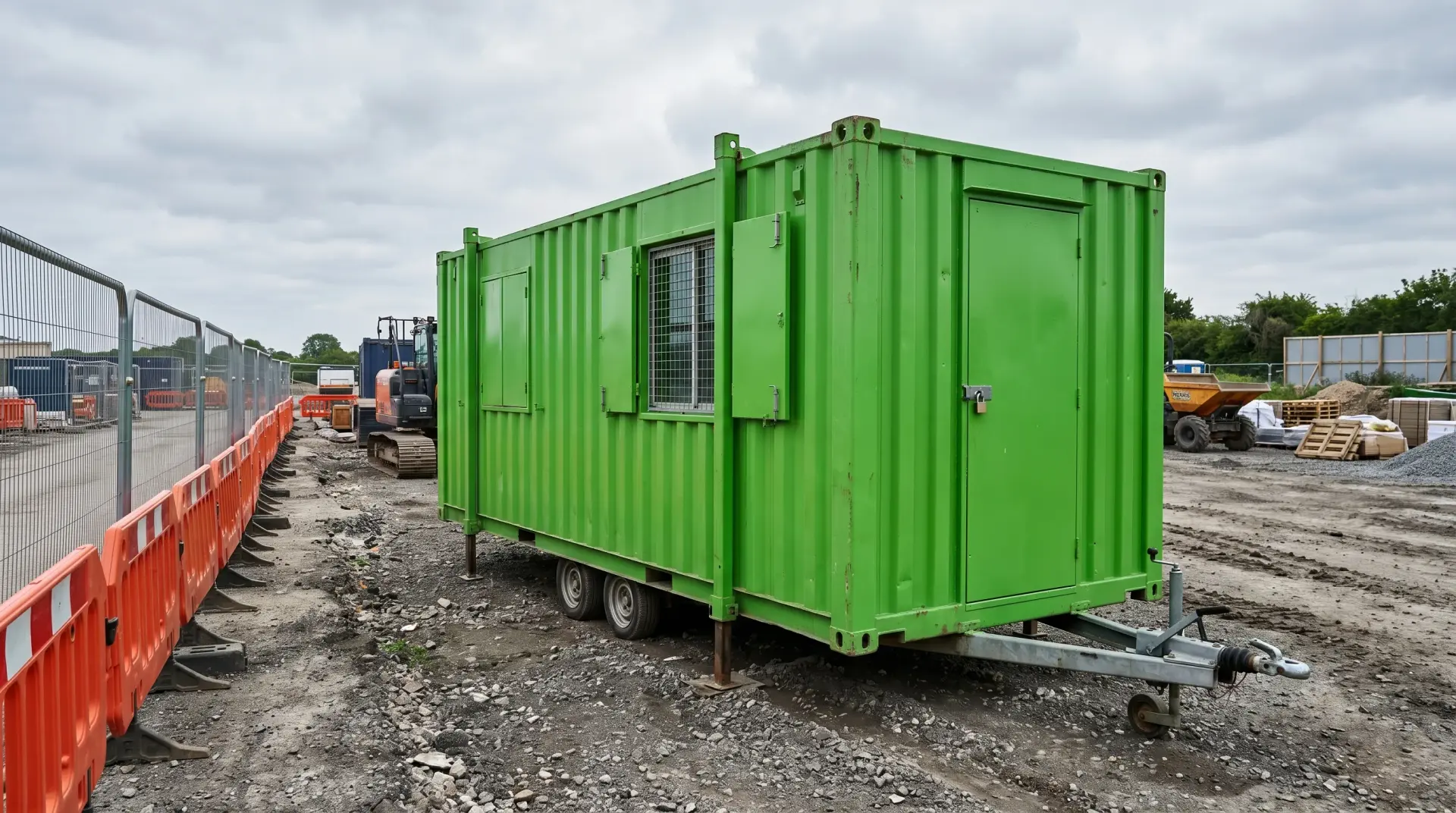
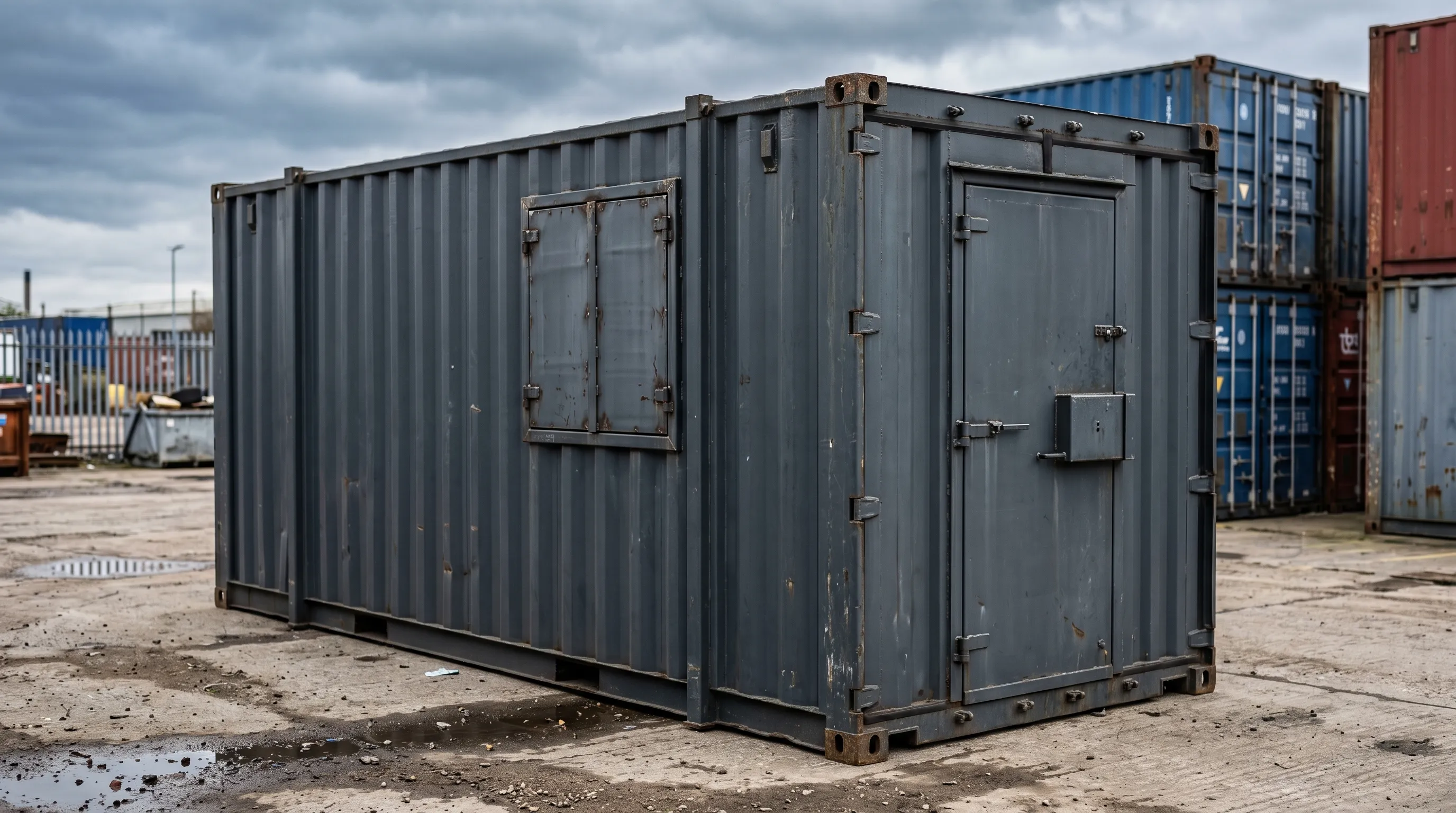
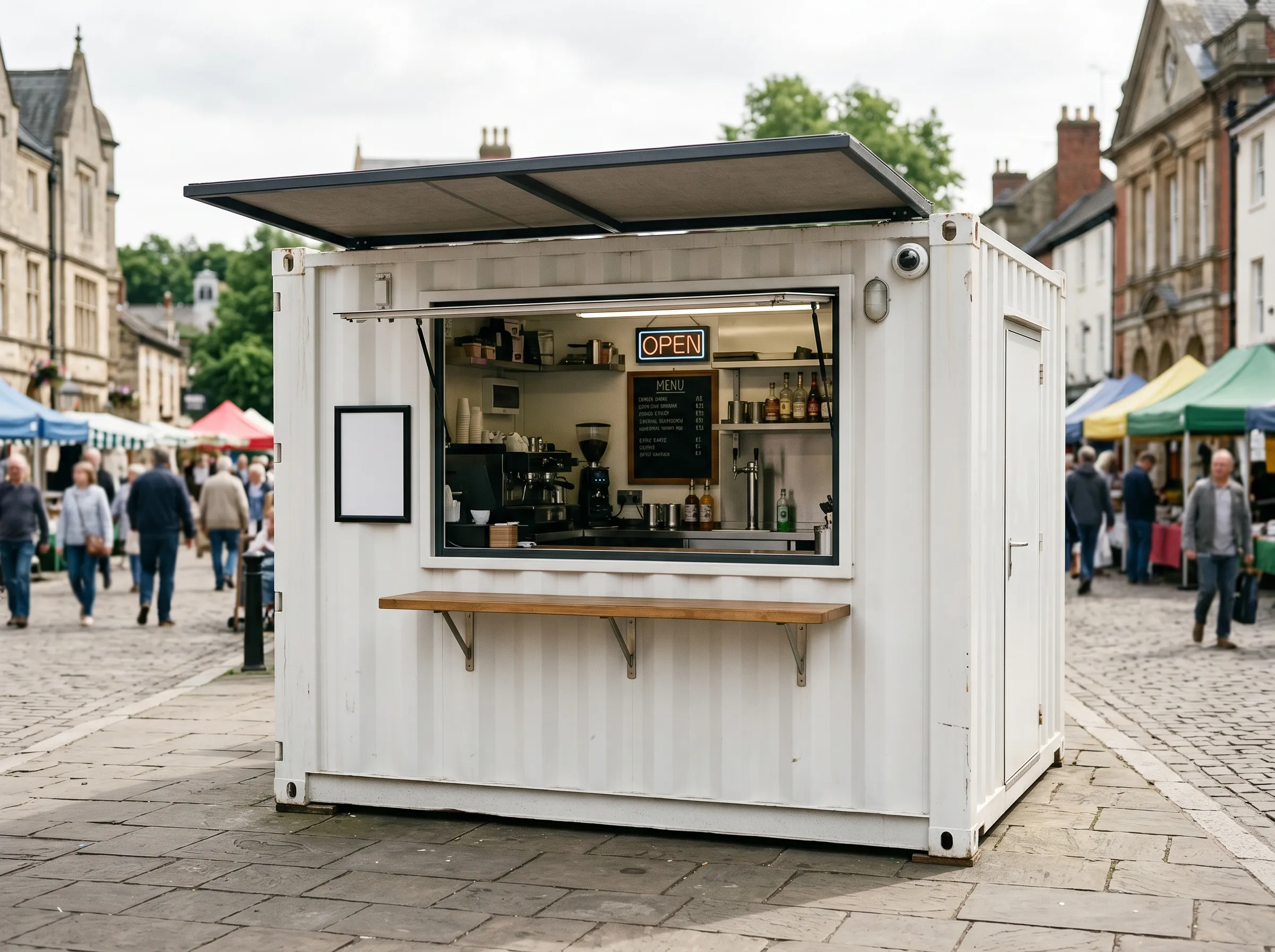
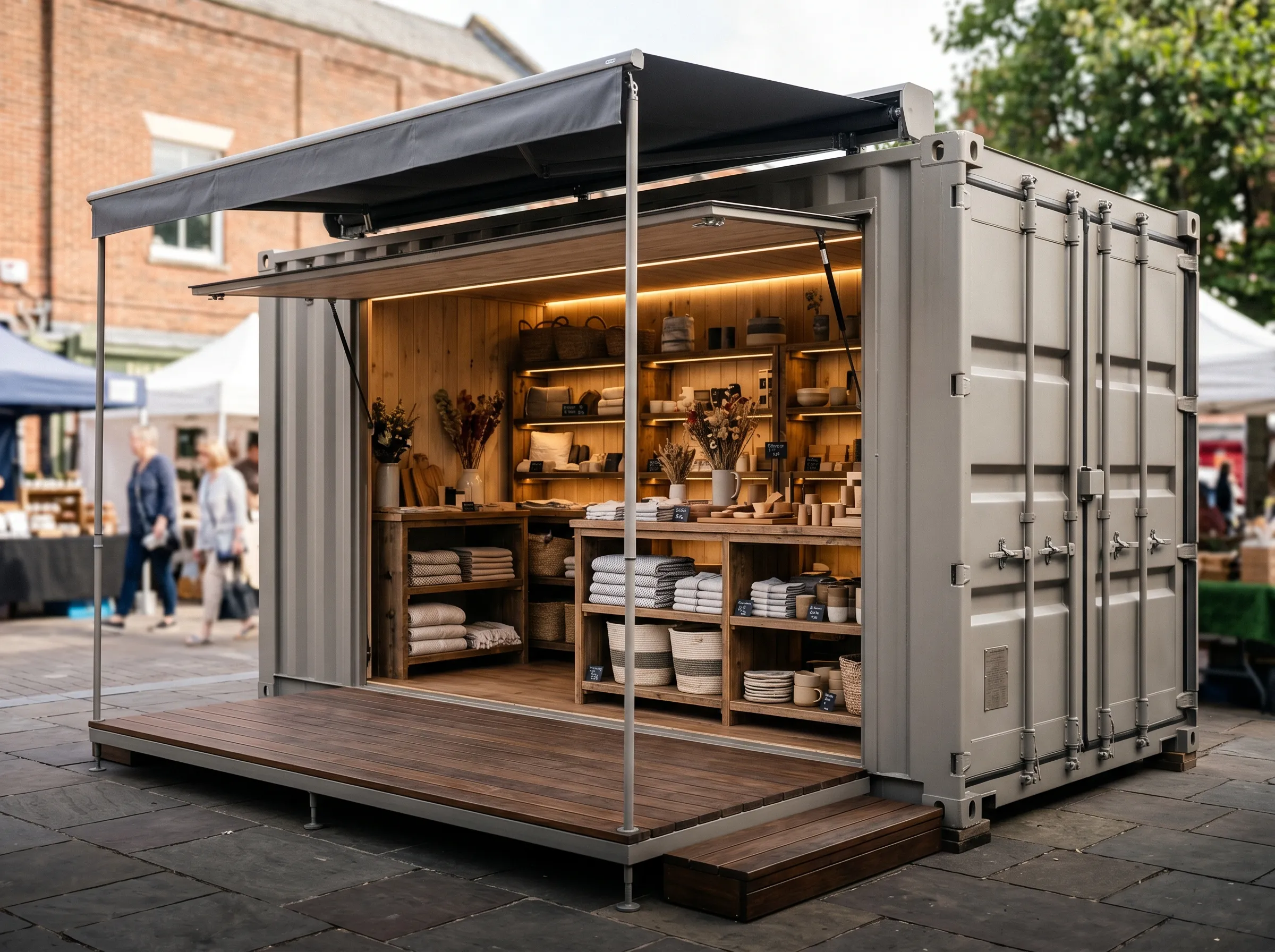
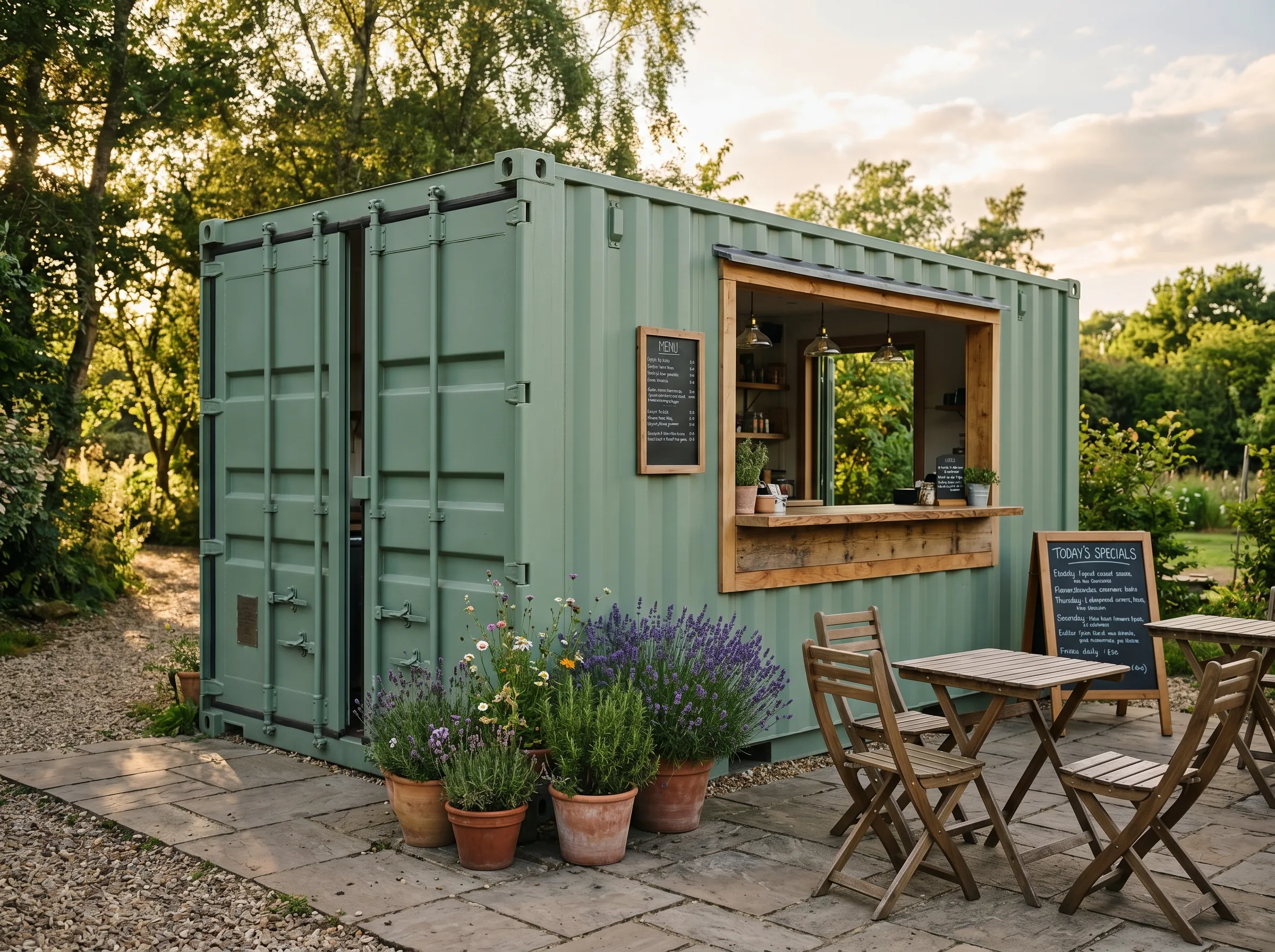
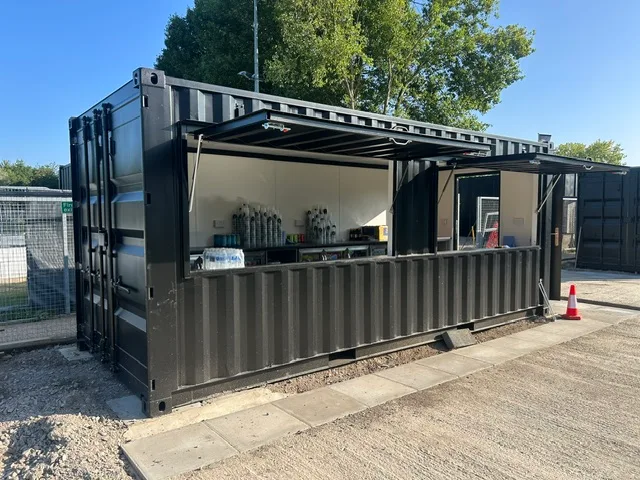
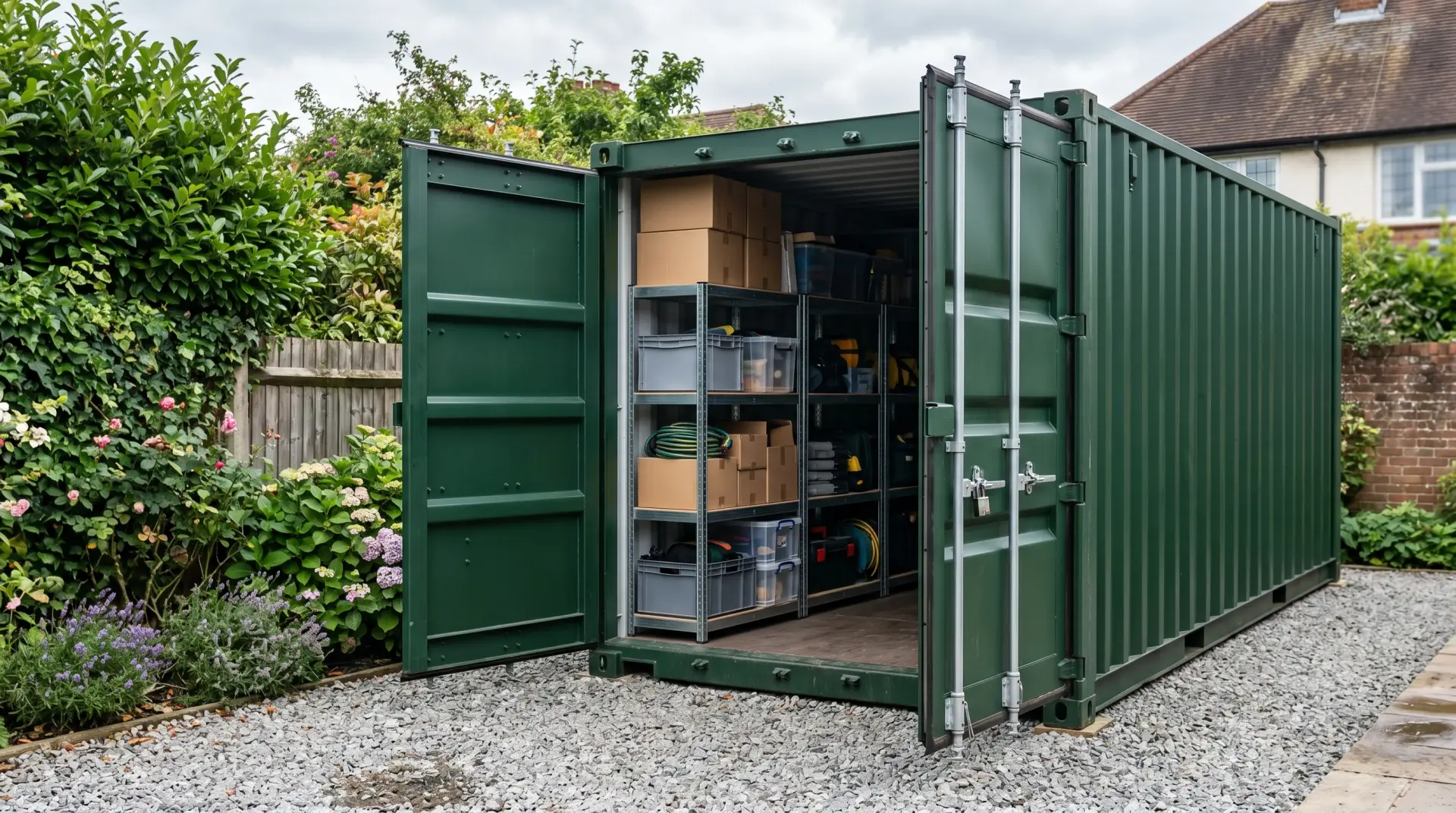
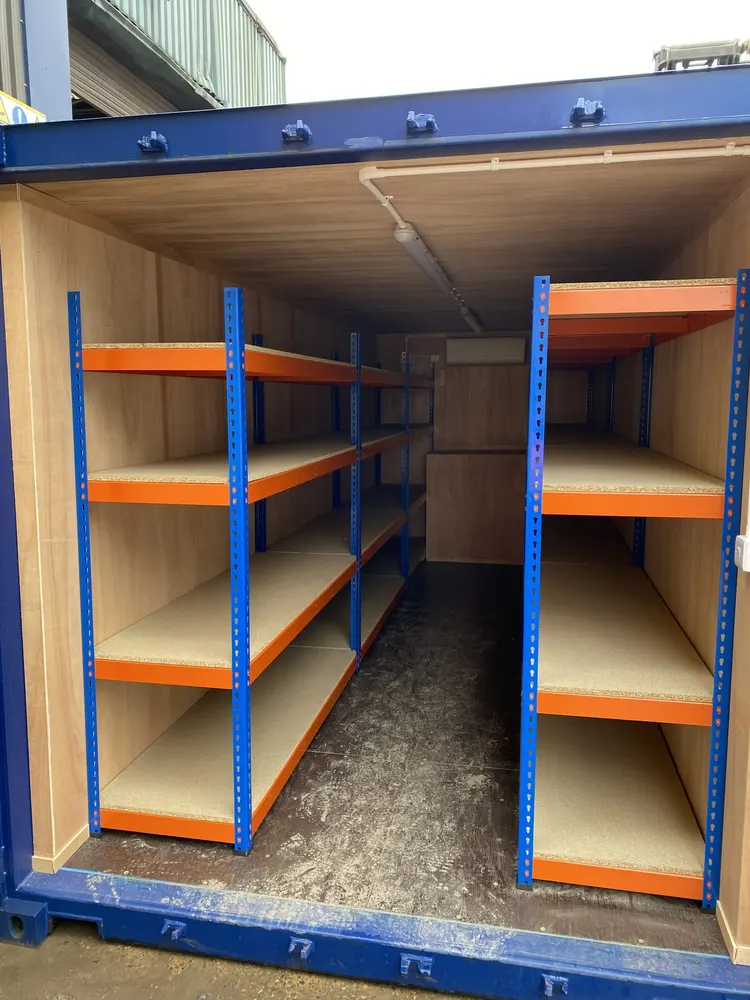
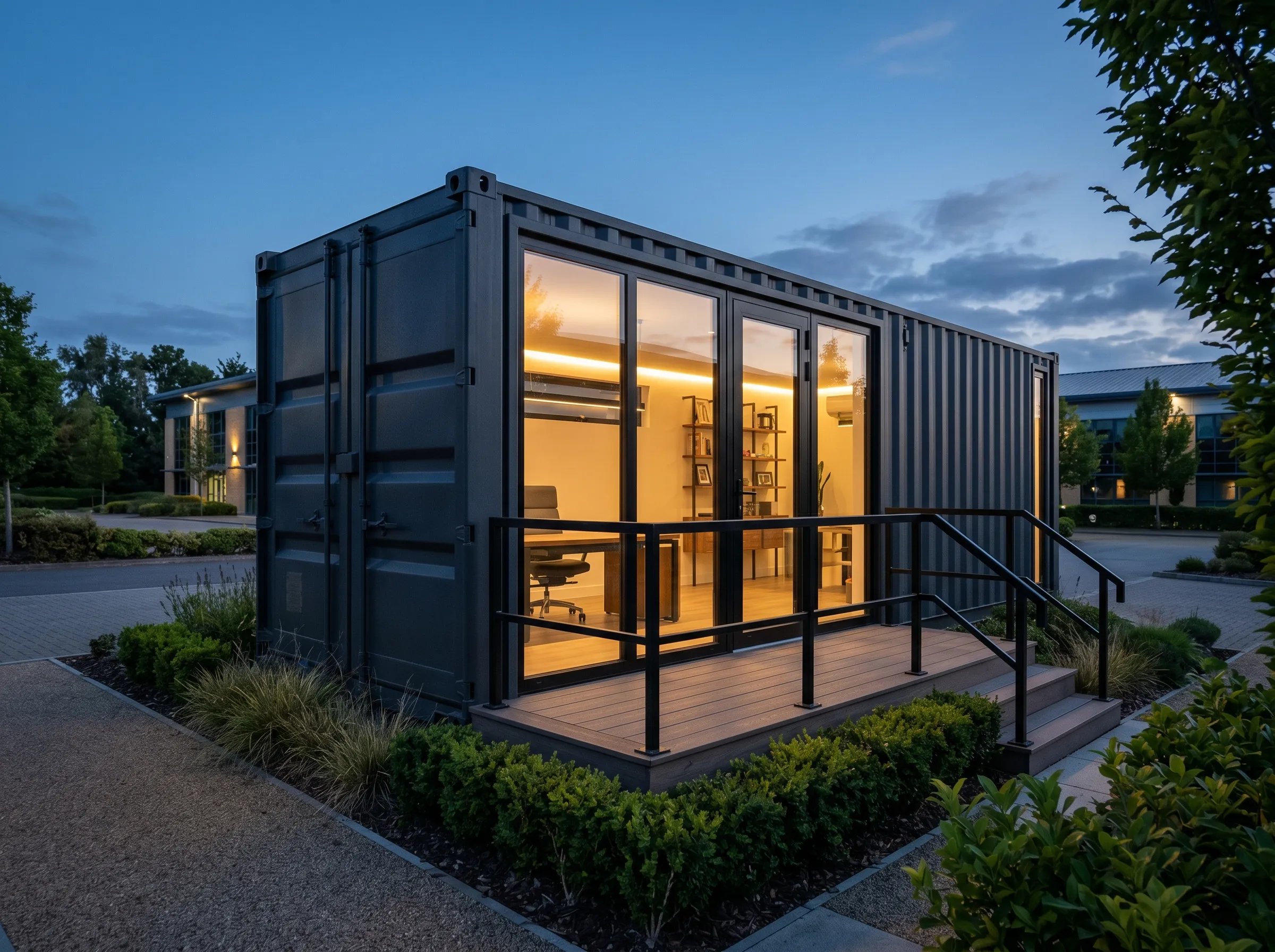
A shipping container conversion turns a standard steel container into a functional, finished space — a container office, a container classroom, a café, a kiosk, a gym, a workshop, or anything else you need. You start with a watertight steel box that's already built to take weather and weight, and you add insulation, lighting, power, windows, doors and a fit-out until it does the job you need it to do.
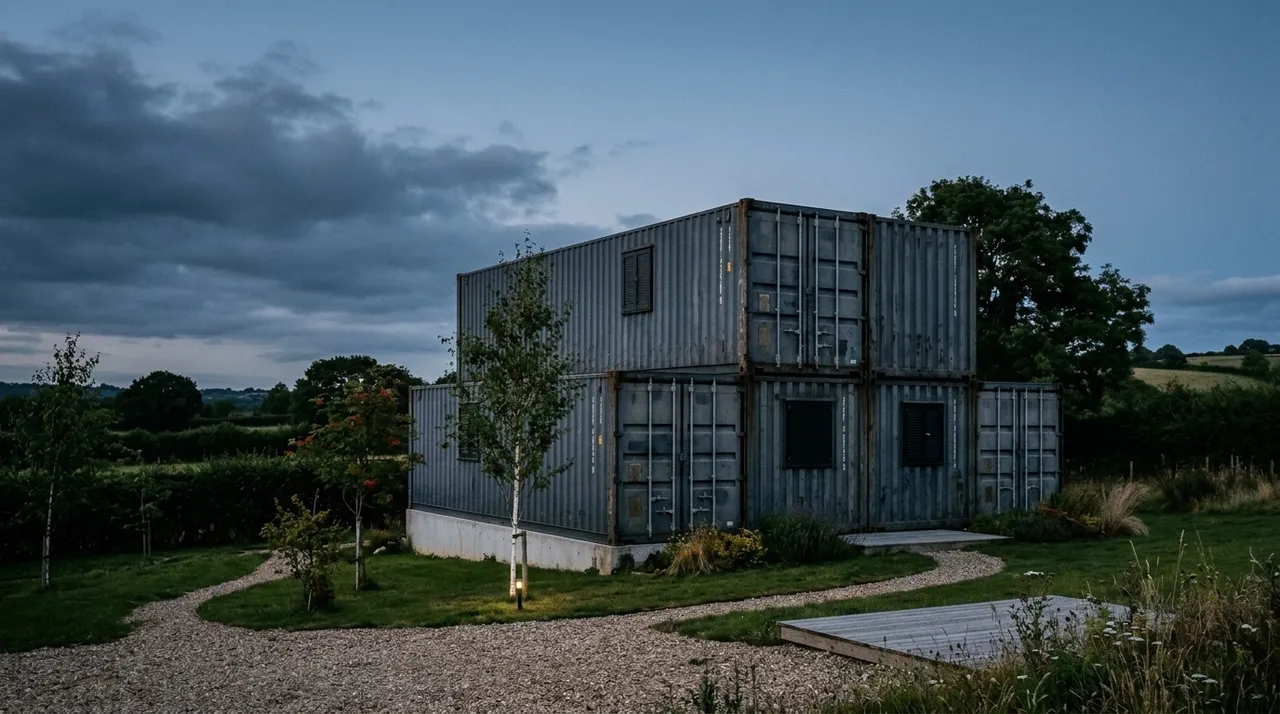
It's a faster, cheaper and more flexible alternative to a traditional build. There are no foundations to pour for most uses, no lengthy build programme, and when you're done with it on one site you can lift it onto a lorry and move it to the next. That's why container conversions have ended up everywhere — on construction sites, in school grounds, in pub gardens, at festivals, on farms, and in business yards across the country.
Phil quotes every container conversion individually. You describe the spec — size, layout, what goes inside, where it's going — and he prices it in writing before any work starts. No surprises, no hidden extras, and no call centre between you and the person doing the work. Conversions run from a single window install on a storage unit right through to a full multi-section fit-out, and the price reflects exactly what you've asked for.
Phil's been converting containers for over 30 years. He knows what a good base container looks like — sound floor, square frame, no hidden rot — and he sources the steel cheaper than most UK traders because of who he buys from. That keeps your conversion competitive without cutting corners on the build. Call 020 8226 0007 or fill in the quote form to talk it through.
Every conversion follows the same path from your first call to delivery on site. Here's exactly what happens at each stage, so you know what you're committing to before you spend a penny.
You call Phil and tell him what you're trying to do — a two-person site office, a classroom for thirty kids, a café you can trade out of, a secure store. Phil asks the questions that matter: how many people, what's going inside, what power and water you'll have on site, how long you need it for, and where it's going. Thirty years in the trade means he spots the things you haven't thought of — overhead clearance for the HIAB, whether you'll want air conditioning later, whether a 20ft or a 40ft actually suits the job. There's no charge for this and no sales script. You talk to the person who'll build it.
Phil specifies the build and quotes it in writing before any work starts. The spec lists exactly what's included — insulation, the number and position of windows and doors, the electrics, the flooring, the finish — and the price is fixed against that spec. If you need drawings or dimensions for a planning application, Phil supplies them. You'll know what you're getting, what it costs, and roughly how long it'll take before you agree to anything. Read the planning permission guide if you're not sure what consent your site needs — Phil builds the unit, but planning sign-off for your specific site is yours to arrange.
Phil starts with the right base container for the job. A near-new one-trip container suits a long-term office or a café where finish matters; a sound used container does the job for a site store or anti-vandal unit and keeps the cost down. Because Phil sources containers directly and cheaper than most UK traders, the steel under your conversion is priced keenly from the start. Every base unit is checked for a sound floor, square frame and watertight shell before any conversion work begins — you're not building a finished office on top of a tired box.
Conversion work is carried out at Phil's UK conversions workshops. The shell is insulated — walls, floor and roof — with rigid board, then lined and finished internally. Windows and personnel doors are cut in and fitted, with steel security frames where the unit needs to take abuse. Electrics go in next: a consumer unit, LED lighting, sockets and any data or heating you've specified, all wired ready for a certified electrician to connect to your mains on site. Where the build needs water — a café, a welfare unit, a kitchenette — plumbing and ventilation are fitted too. The unit is painted in your colour, and any branding or signage is applied before it leaves.
The finished conversion is delivered by HIAB crane lorry and lifted straight onto your prepared base — a level, firm surface, concrete pad or railway sleepers, whatever suits the unit. The HIAB places it exactly where you want it, so there's no second machine to hire and no manhandling on site. Phil stays in contact through delivery day, and the driver calls ahead so you're not waiting in. Once it's sited and your electrician has made the connections, it's ready to use. Delivery is included in the price Phil quotes — it's not a separate charge bolted on at the end.
That's the whole journey — one person managing it from the first call to the moment it's craned onto your site. 020 8226 0007.
Exactly what goes into your conversion depends on what you're building, but most habitable and working conversions share the same core spec. Phil confirms the full list in writing for your specific build — this is the standard starting point.
Most container conversions start from a 20ft or 40ft container, with 10ft used for compact kiosks and stores. The right size depends on how many people use the space, what goes inside, and how much room you've got to site it. Phil will tell you straight which fits the job — there's no point paying for a 40ft if a 20ft does it.
Compact and easy to site. Suits kiosks, ticket booths, single-person stores, and tight yards where a longer unit won't fit.
The workhorse. A 20ft converts into a 1–4 person office, a small classroom, a café, or a welfare unit — and it gets into most sites and driveways.
Double the floor space for open-plan offices, full classrooms, or multi-room fit-outs. High cube adds 30cm of headroom for a less boxed-in feel.
Not sure which way to go? The container sizes guide sets out the dimensions in full, or just call Phil and describe the job.
When you need extra space, a container conversion is one of four routes — and it's worth knowing where it wins and where it doesn't. A traditional brick-and-block build gives you a permanent building, but it's the slowest and most expensive option, ties up your site for months, and can't be moved. A timber or modular cabin goes up quickly, but it's less secure, less durable, and depreciates faster than steel.
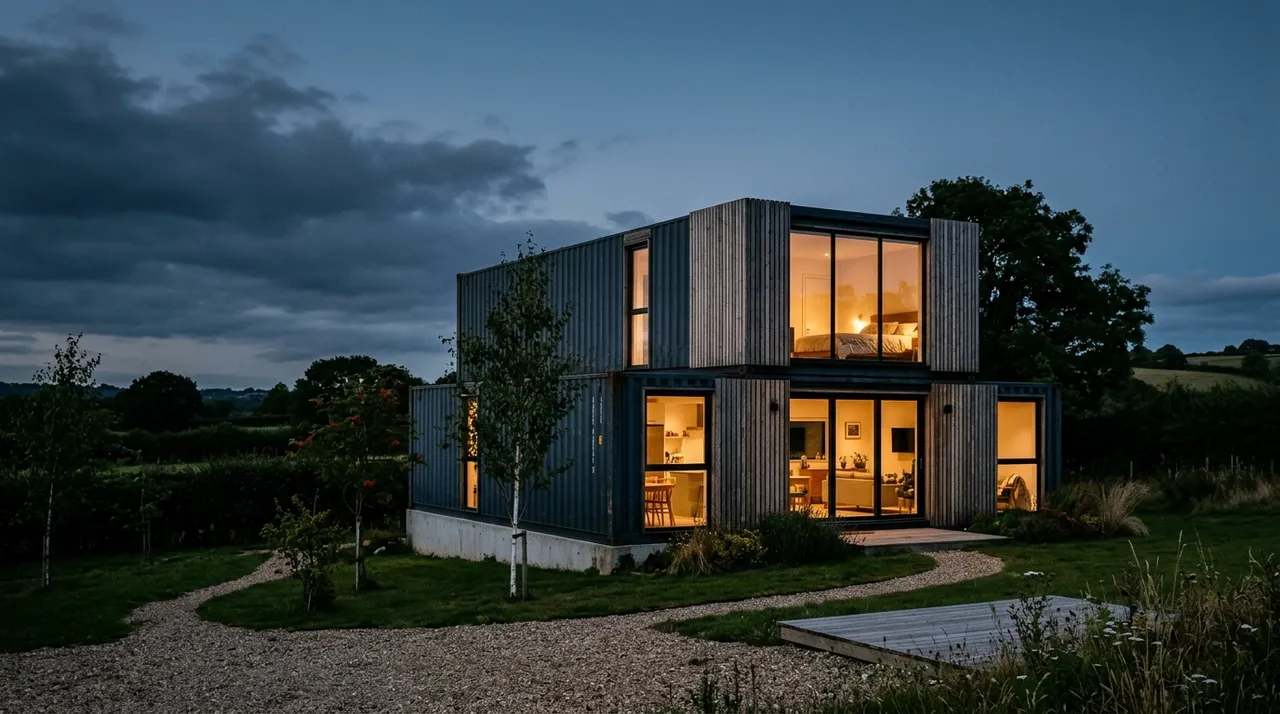
A container conversion sits in the sweet spot for most jobs: cheaper than a permanent build, tougher and more secure than a timber cabin, built off-site so your ground stays clear, and relocatable when the job moves on. The one thing it won't do is pretend to be a permanent house off the shelf — a container home is a proper self-build that needs planning permission and a professional team, and Phil is straight about that.
For temporary needs there's also hire instead of buying. If you only need a unit for a few months, container hire avoids the upfront cost; if you'll keep it longer than about a year, buying a conversion outright usually works out cheaper. Phil offers both and will tell you honestly which suits your timescale.
Lead time depends on the complexity of the build and current workload. Phil confirms your timeline when he quotes — these are typical ranges from order to delivery:
2–3 weeks
A straightforward container office or storage conversion — insulation, lighting, sockets, a door and a couple of windows.
4–8 weeks
A more involved build — a classroom, welfare unit, or a café with plumbing, ventilation and a full electrical fit-out.
Quoted to spec
Multi-container builds, bespoke fit-outs and the container element of a home are timed to the design once the spec is agreed.
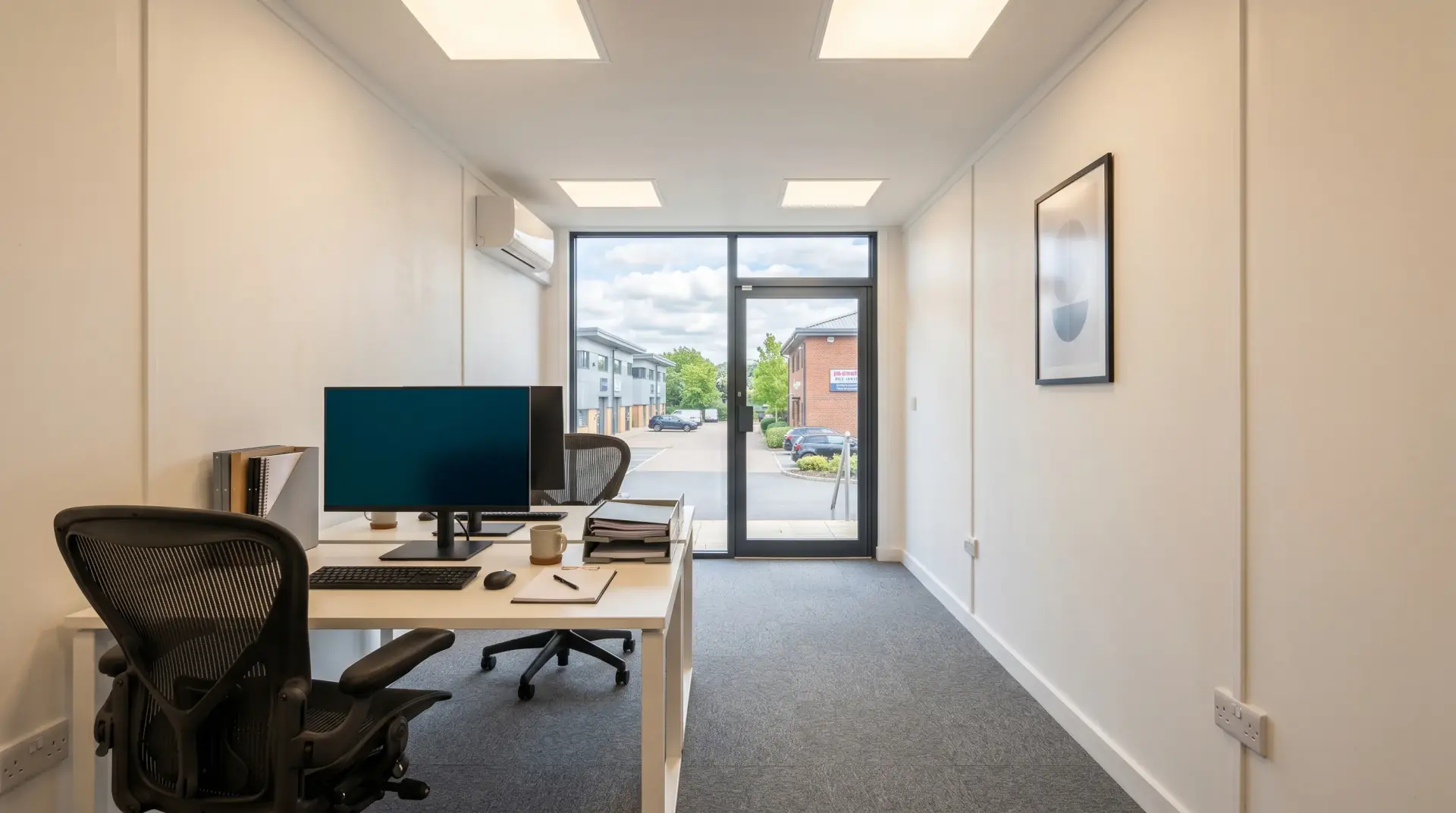
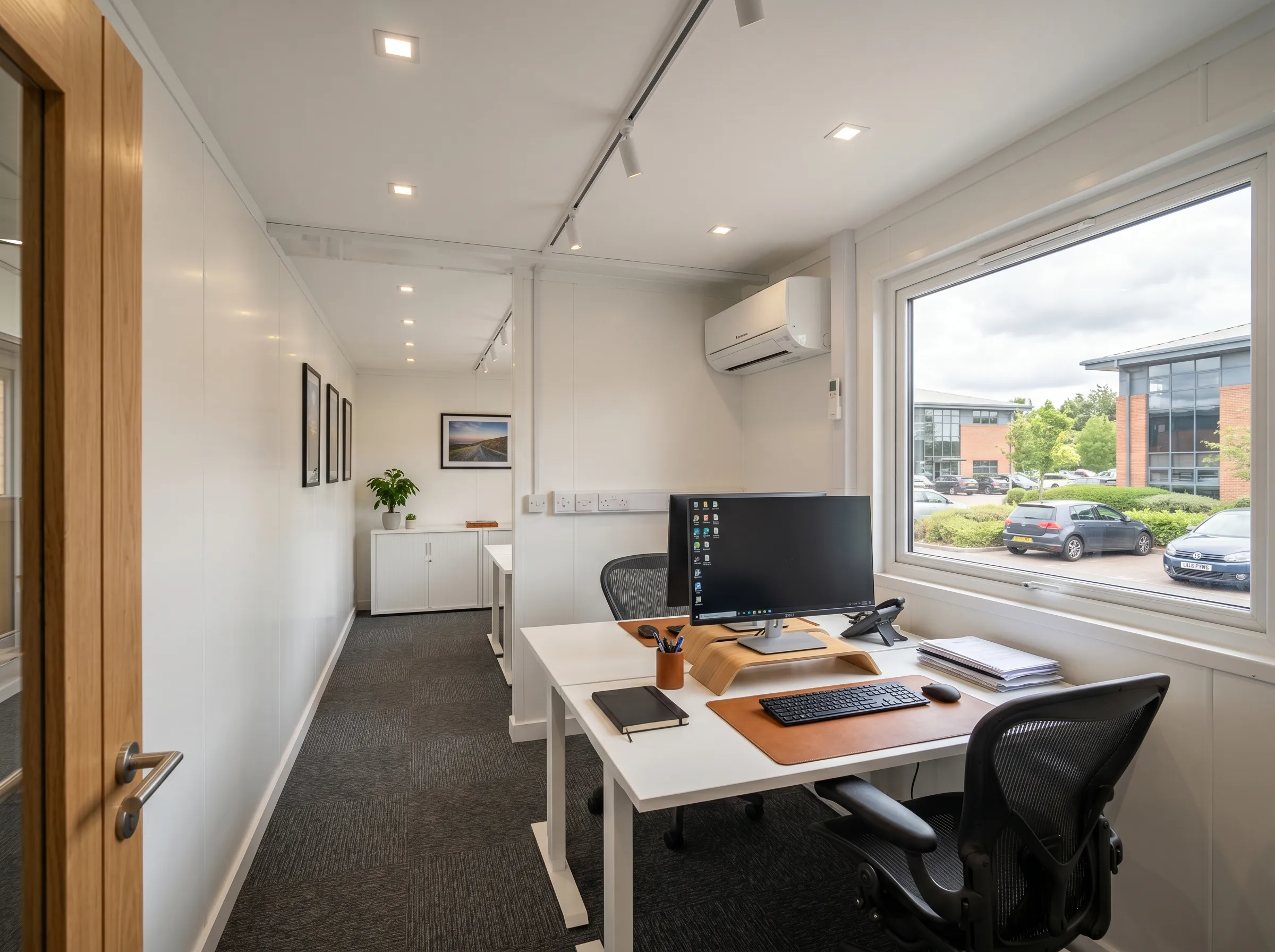
Of everything Phil builds, the container office is the one he's asked for most. It's the conversion that proves the point: take a watertight steel box, insulate it properly, line it out, fit lighting, sockets, windows and a secure door, and you've got a warm, dry, lockable workspace for a fraction of the cost and time of a permanent building. A 20ft suits one to four people; a 40ft gives you an open-plan office or room for a small team.
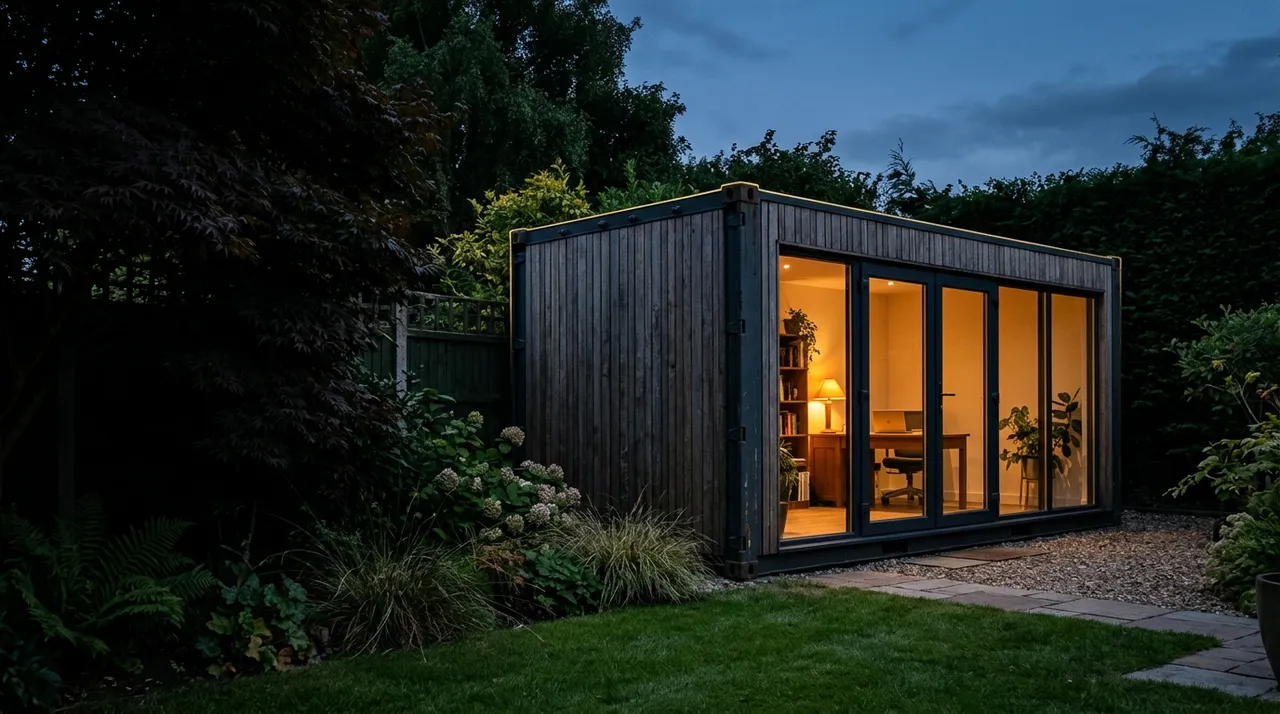
Container offices turn up on construction sites as site cabins, in business yards as permanent offices, in gardens as home studios, and on farms as estate offices. Because the unit is built off-site and craned in finished, your ground stays clear while it's being made — and if you move premises, the office comes with you. Add air conditioning, extra power, data cabling or a kitchenette and Phil prices it all into the written quote.
It's also the conversion where the buy-versus-hire question matters most. Keep it longer than a year and buying a container office outright almost always beats hiring; need it only for one project and office container hire is the better call. Either way, Phil handles it from the first call to delivery.
Over 30 years Phil has built conversions for just about every sector. The same steel box adapts to wildly different jobs — here's where they end up most often.
Site offices, welfare units and secure stores that move from project to project. Anti-vandal units where sites are exposed overnight.
Extra classroom and office space without a building programme — insulated, safe, and delivered into the grounds in weeks, not terms.
Cafés, bars and serveries for festivals, markets, pub gardens and venues — built to trade from and easy to move between sites.
Kiosks and pop-up shops that give a new business a branded, lockable shopfront for a fraction of a high-street lease.
Private gyms, music studios, garden offices, and the container element of self-build homes — comfortable, insulated spaces on your own ground.
Secure, dry storage built around your kit, plus offices and welfare for agricultural and yard-based operations across the country.
Phil converts containers across four broad areas — working spaces, site and welfare units, retail and hospitality, and leisure, living and bespoke builds. Here's how they break down; tap any link for the full spec and pricing, or call 020 8226 0007 and describe what you need.
The most common conversions Phil builds. A container office is an insulated, lit and wired workspace for site cabins, studios or permanent offices, in 20ft or 40ft. A container workshop is the heavy-duty version — roller-shutter doors, three-phase power and a hard-wearing fit-out for trade use. Both keep you working through winter and lock up secure at night.
Built for construction and outdoor sites. A welfare unit combines canteen, drying room and toilets in one self-contained unit; a container classroom adds insulated, safe teaching space to a school without a building project; and an anti-vandal container wraps reinforced steel and a no-window option around any of the above where security matters most.
Units you can trade out of. A container kiosk comes with a serving hatch, counter and branded paintwork; a pop-up shop adds fold-out shutters and display lighting; and a container café or container bar brings plumbing, ventilation, a fitted servery and a fold-up canopy for events, venues and gardens.
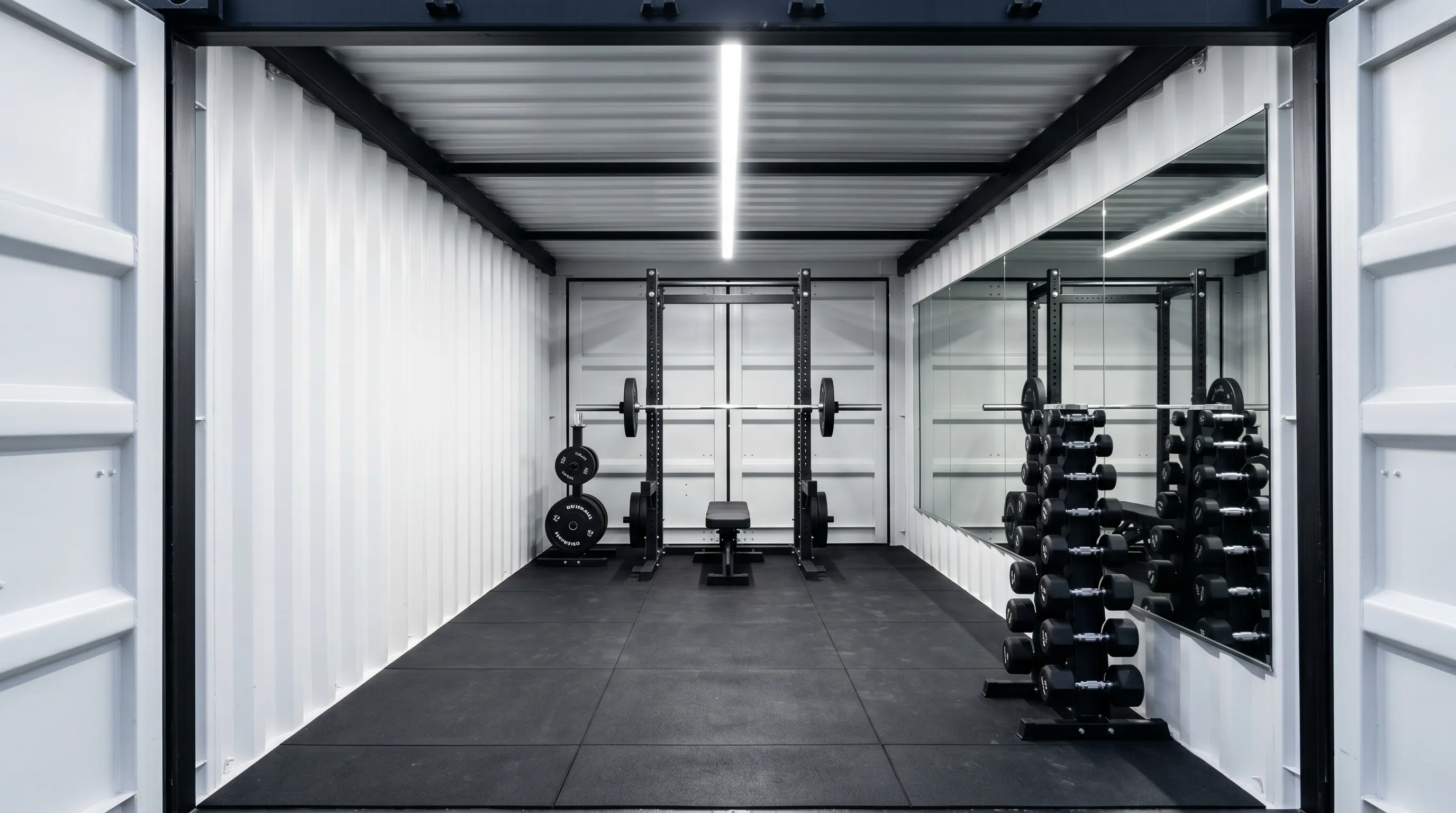
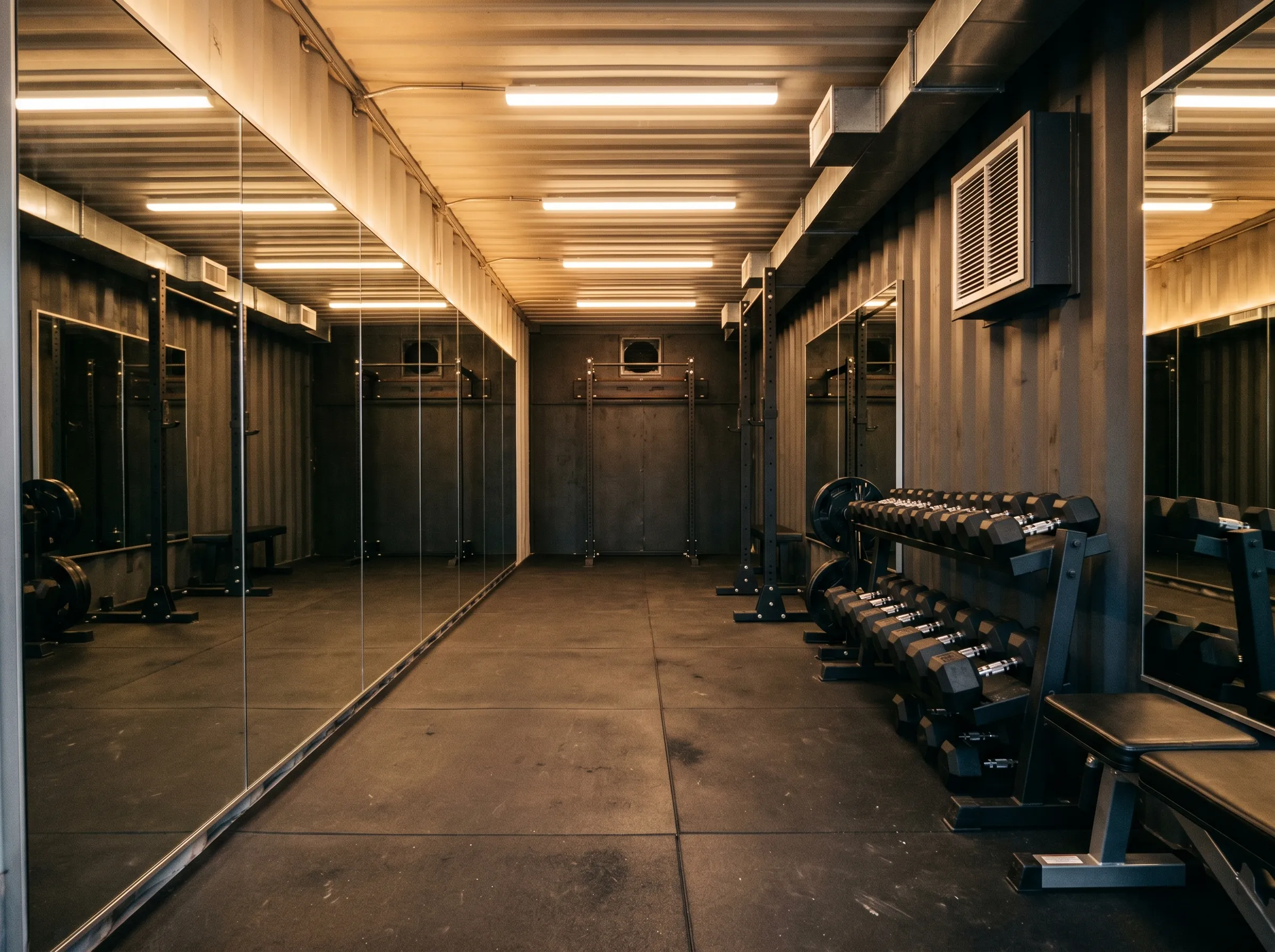
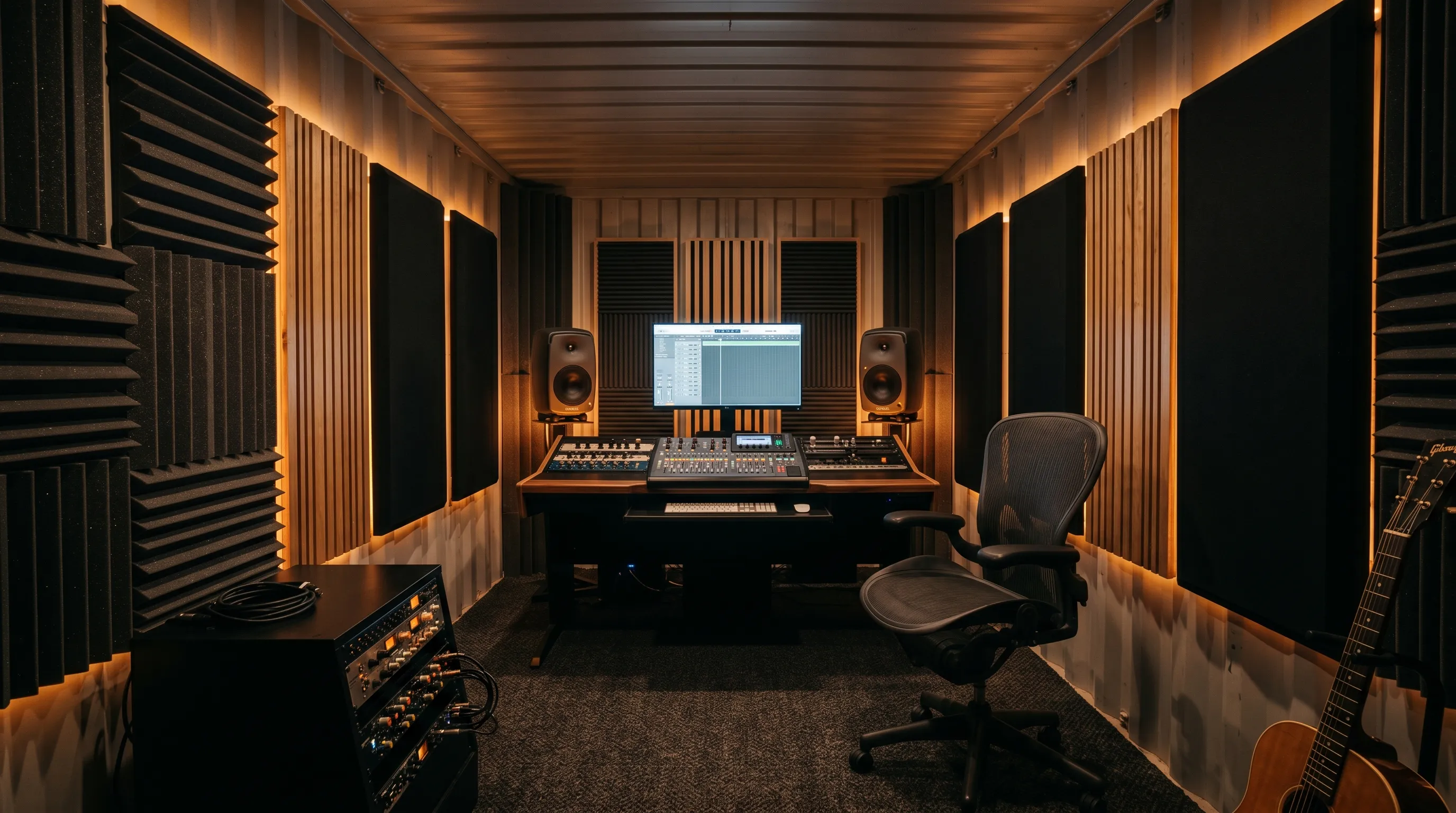
Everything else. A container gym gets rubber flooring, mirrored walls and ventilation; a music studio gets soundproofing and acoustic treatment; a container garden office puts an insulated, plug-in workspace at the bottom of the garden. Phil also supplies and converts the container element of a self-build container home, builds secure storage units around your kit, fits out battery storage containers for solar and BESS projects, and takes on bespoke conversions — if you can describe it, he'll price it.
1
Consult
Tell Phil what you need. He'll ask the right questions.
2
Design
Phil specs the build and quotes in writing before any work starts.
3
Build
Conversion work carried out at Phil's UK conversions workshops.
4
Deliver
HIAB delivery to your site, sited exactly where you want it.
30+
Years in the container industry
UK-wide
HIAB delivery included
Written
Quote before any work starts
"Good personal and responsive service, competitive pricing. I was on a tight timescale for 2 20' containers at a difficult site. They arrived right on time and the delivery driver was very helpful in getting the containers onto the site. Wouldn't hesitate to work with this company again."
Jeremy N.
June 2026 · Google Review
"So easy! We bought 2 new containers to house delicate equipment in, and are renting another older one for storage while we have our kitchen extension built. We were worried about access, but Phil sent someone round to check and make sure we could get them where we wanted them. Top job and no worries!"
Matthew P.
March 2026 · Google Review
A converted container competes with a traditional brick-and-block build, a timber cabin, or a modular building — and for a lot of jobs it wins. Here's where it stacks up.
You start with a steel structure that already exists, so you're paying for the fit-out, not the whole building. For most uses there are no foundations to pour either. That makes a conversion considerably cheaper than an equivalent permanent building.
A traditional build runs for months. A container office is typically 2–3 weeks from order; even a complex café or classroom is 4–8 weeks. The unit is built off-site while you carry on, then craned in finished.
It's a self-contained steel box, so it moves. Disconnect the services and Phil's HIAB lifts it onto a lorry — relocate it to a new site, sell it on, or send it back to the depot. A bricks-and-mortar building can't follow you.
Containers are built from Corten weathering steel to survive years at sea stacked nine-high. Insulated and maintained, a conversion shrugs off weather, knocks and break-in attempts far better than a timber cabin.
No rot, no subsidence, no re-felting a flat roof every few years. An occasional repaint and the odd seal is about the size of it. The steel does the hard work.
Because you own it outright you can repaint it, re-fit it, or add to it whenever you like. And a well-built converted unit holds its value — quality conversions sell on readily if you ever need to move it on.
If you'll need the unit for more than about a year, buying a conversion outright almost always works out cheaper than hiring — no ongoing monthly cost, it's a capital asset on your books, and it's built to your exact spec rather than a generic hire unit. If you only need it for a few months — a site office for a single project, a unit for an event — hiring is the better call.
Phil does both. Talk through your timescale and he'll tell you honestly which way round saves you money. For temporary needs, see office container hire.
Phil builds at his UK conversions workshops and delivers the finished unit complete by HIAB — offices, classrooms, welfare units, kiosks and bespoke builds, sited exactly where you need them, anywhere in mainland UK. Tell Phil your location and spec and he'll quote it.
No call centres. No fuss. One phone call.
Price it up yourself
Three taps and Phil has what he needs. No obligation, nothing charged here.
Or just ring Phil on 020 8226 0007 — he answers his own phone.
 Cambridge Containers Order Desk Ref QT-0000-0000 020 8226 0007 Call Phil